
Structural design & coordination
Coordinate structural requirements and outputs with architecture, ground information and services, linked to construction needs.


What do we review with you?
Inputs for an integrated structural design
The scope review brings together architecture, intended use, site and ground information, loading requirements and expansion needs. Required information and investigations are identified before the structural solution is developed, with responsibility assigned to the issuing professional party.
Coordination supports buildability
Structural elements, service openings, levels and discipline interfaces are reviewed together. Revisions are coordinated before procurement and construction because a late opening or level change can affect several work packages.
Outputs with a clear revision and owner
The package defines required drawings, details, calculations or schedules for the design scope. Site queries, technical responses and revisions follow a clear record. Material field changes are referred to the responsible professional party before construction.
Clearer inputs.
Reviewable outputs.
Share when you enquire
- Architectural drawings and intended use
- Geotechnical report and available information
- Loading, openings and expansion requirements
Define in the appointment
- Structural design requirements
- Opening, level and discipline coordination
- Technical review and query record
A detail that matters.
Can an existing structural element be altered immediately?
Alterations begin with a review of the existing condition, documents and required investigations by the responsible professional party, followed by approval of the approach.
Before requesting a proposal.

From a building idea to a coordinated design brief
Define building use and coordinate architecture, structure and building systems around a reviewable brief.
Explore details ↗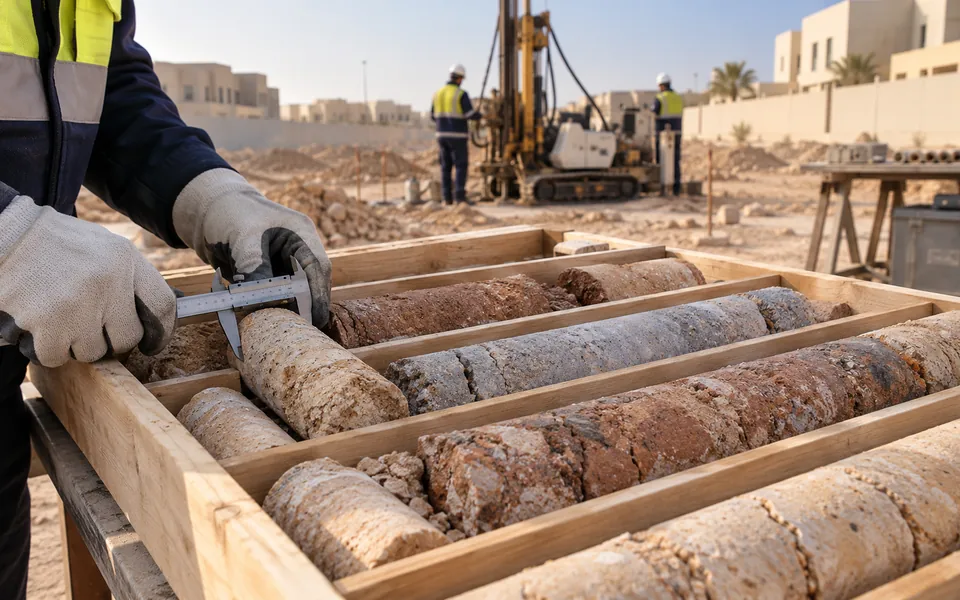
What belongs in a site investigation brief?
Project information, access, utilities and reporting needed to discuss an investigation scope.
Explore details ↗